

The world in
323BCE
Alexander dies in Babylon; his empire stretches from Greece to the Indus. Open this map
An atlas of five thousand years
Watch the world redraw itself.
Scrub through 54 maps, from the first cities to today, and see every empire, kingdom and nation rise, spread and break apart.
- 54
- Historical maps
- 330+
- Places, people & events
- 16
- Guided tours
- 10
- Voyages traced
123,000 BCE to 2010
Each with its own page
Narrated, step by step
Charted stop by stop
II
Six ages of the human story
The atlas is organised the way historians divide the past. Pick an age to see its maps, its empires and its people.
The full timeline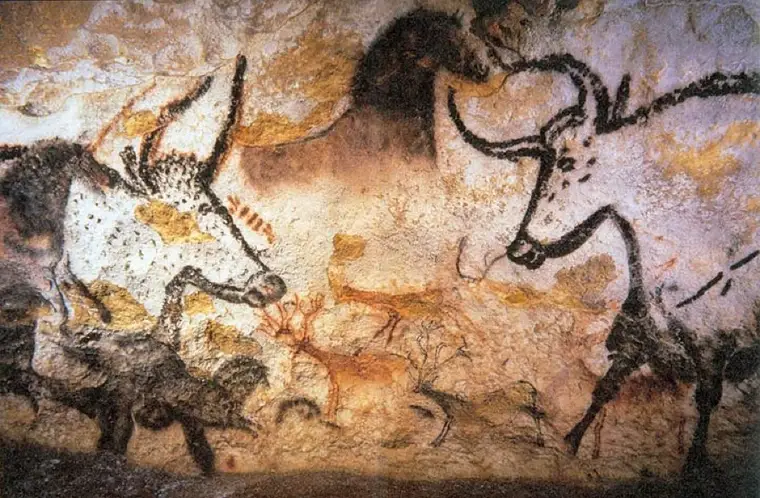
Prehistoric
The long age before writing, when humans spread across the globe, took up farming, and raised the first villages and monuments. It is known only through archaeology — tools, bones, and art rather than names and dates.
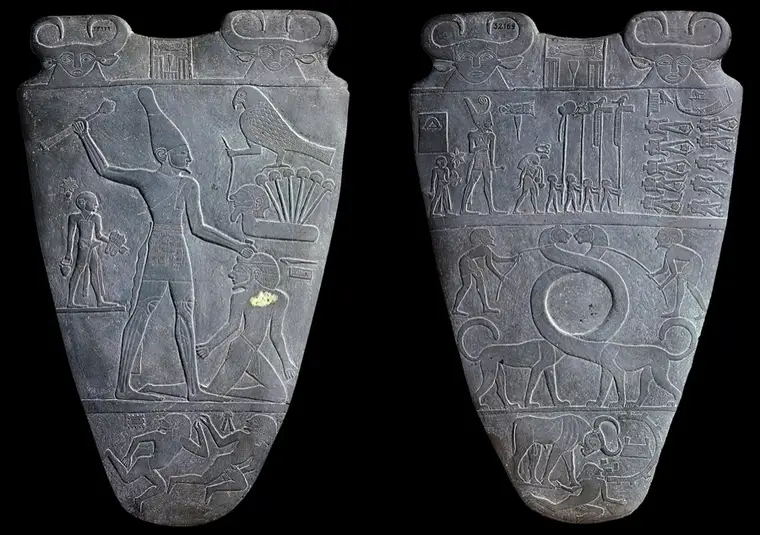
Ancient
The age of the first cities, writing, and states — from Mesopotamia and Egypt to the Indus Valley and early China. Empires, law codes, and long-distance trade appeared as people began to record their world.
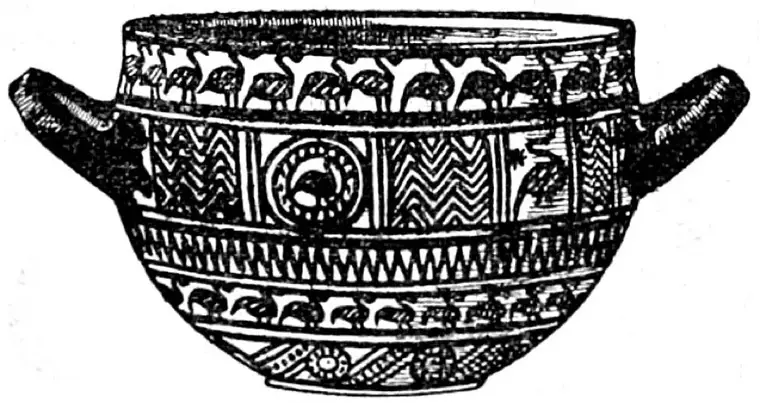
Classical
An era of large empires and enduring ideas across Eurasia — Greece and Rome, Persia, Maurya and Han China — linked by routes like the Silk Road. Much of the world's lasting philosophy, religion, and science took shape here.
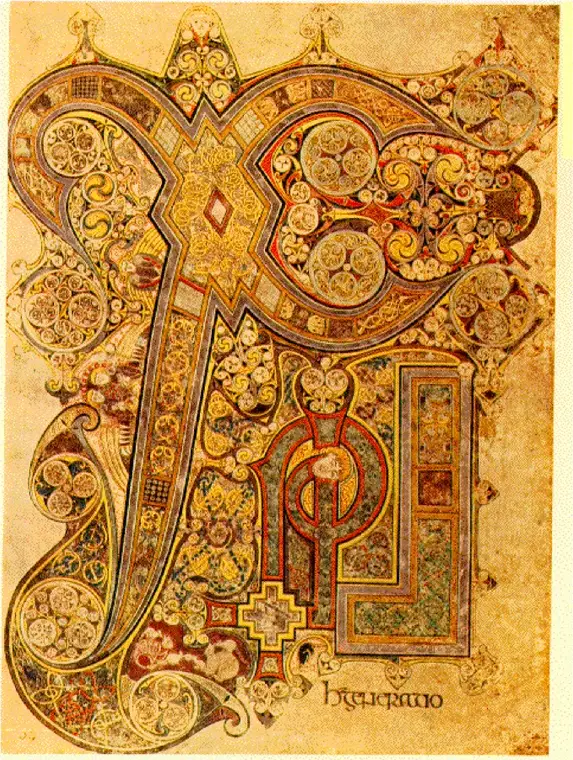
Medieval
After Rome's western collapse, power fragmented and reformed: the Byzantine and Islamic worlds flourished, dynasties rose in China and India, and trading states like Mali grew rich. Faith and commerce tied distant regions together.
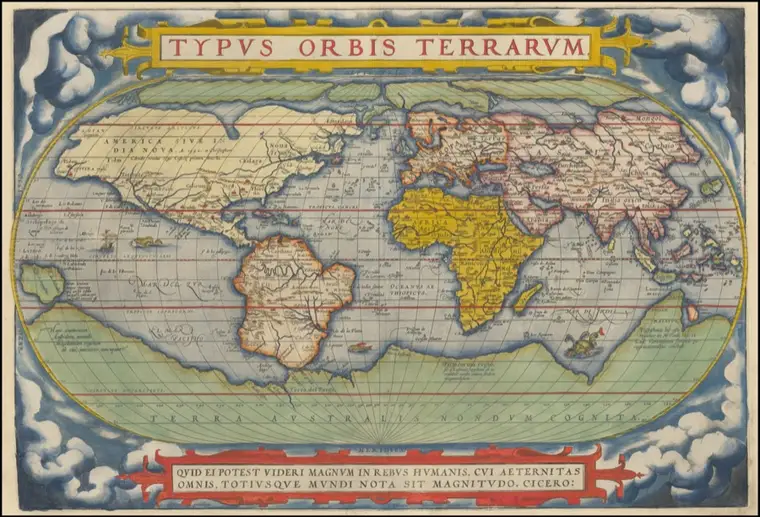
Early Modern
Oceans became highways. Europeans reached the Americas, gunpowder empires spanned Asia, and goods, people, and diseases crossed continents for the first time — reshaping the world, often through conquest and slavery.

Modern
Industry, nations, and rapid change. Steam, electricity, and later digital technology transformed daily life; empires expanded and then dissolved; and world wars, decolonization, and globalization drew nearly every society into one connected world.
III
Empires, rise and fall
Every territory on the map has a page: its story, its rulers, its pictures, and a link straight to its borders.
All places & empires


IV
Let the map tell the story
Guided tours move the map for you — year, place and zoom — while a short narration explains what changed and why.
All 16 tours- 01The Rise and Fall of RomeFrom a small city on the Tiber to an empire spanning three continents — and its long collapse.500 BCE → 600 CE6 stops · 5 min
- 02The Mongol World ConquestHow a nomadic confederation from the Mongolian steppe built the largest contiguous land empire in history in under 80 years.1100 CE → 1279 CE5 stops · 6 min
- 03The Silk RoadThe ancient network of trade routes that linked China with the Mediterranean for over 1,500 years.100 BCE → 1500 CE5 stops · 5 min
- 04The Age of DiscoveryHow European sailors — motivated by spice, gold, and religion — connected the world's continents for the first time.1400 CE → 1600 CE5 stops · 5 min
- 05The Rise of the Islamic CaliphatesIn little more than a century, Arab armies carrying a new faith built one of the largest empires the world had ever seen — from the Atlantic to the Indus.600 CE → 1279 CE6 stops · 6 min
- 06The Silk Road & Indian Ocean TradeLong before oceans were crossed, overland caravans and monsoon-driven ships linked China, India, the Islamic world, Africa, and Europe in a web of commerce and ideas.100 BCE → 1400 CE6 stops · 6 min
V
The voyages that joined the world
Follow explorers port by port, with every landfall dated and plotted along the route they actually sailed or walked.
All voyages
1728–1779
James Cook
Three Pacific voyages that charted New Zealand, eastern Australia, and Hawaii.
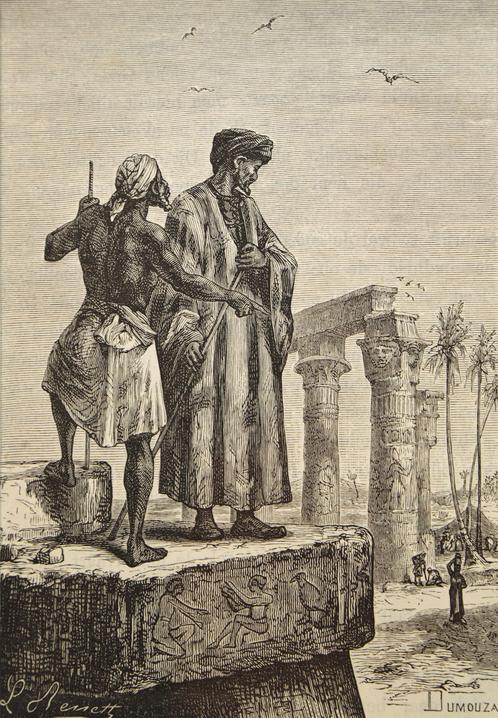
1304–1368/69
Ibn Battuta
Travelled ~75,000 km across the Islamic world, East Africa, Central Asia, India, Southeast Asia, and China over 29 years.
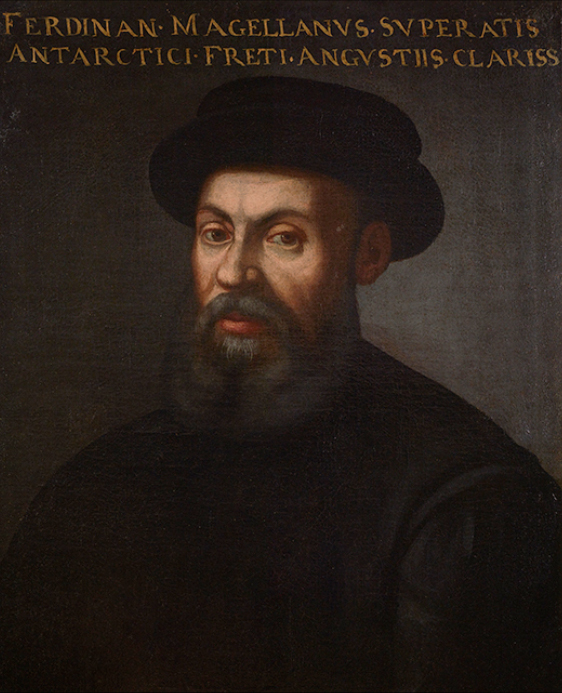
c. 1480–1521
Ferdinand Magellan
First expedition to circumnavigate the globe; died in the Philippines, but the voyage continued under Elcano.

1371–1433
Zheng He
Commanded seven Ming treasure-fleet voyages across the Indian Ocean, reaching Arabia and East Africa.
VI
Or simply pick a year
Each one opens the atlas at that moment.
Open the atlas- 500BCEPersia rules from the Aegean to the Indus
- 1BCEThe eve of the Common Era
- 800CECharlemagne is crowned in Rome
- 1279CEThe Yuan conquest of Song China
- 1492CEColumbus reaches the Caribbean
- 1783CEAmerican independence is recognised
- 1914CEThe First World War begins
- 1945CEThe Second World War ends
Picture credits
- Augustus of Prima Porta (inv. 2290) by Joel Bellviure · CC BY-SA 4.0
- Temüjin proclaimed as Genghis Khan in 1206 Jami' al-tawarikh manuscript by Sayf al-Vâhidî. Hérât. Afghanistan · Public domain
- Pasargad Tomb Cyrus3 by Bernd81 · CC BY-SA 4.0
- Humayun and Babur (Late Shah Jahan Album) Babur detail by c.1650 · Public domain
- Catalan Atlas BNF Sheet 6 Mansa Musa by attributed to Abraham Cresques · Public domain
- Mosaic of Justinianus I - Basilica San Vitale (Ravenna) by Petar Milošević · CC BY-SA 4.0
- Captainjamescookportrait by Nathaniel Dance-Holland · Public domain
- Handmade oil painting reproduction of Ibn Battuta in Egypt, a painting by Hippolyte Leon Benett. by Léon Benett · Public domain
- Ferdinand Magellan · Public domain
- 2016 Malakka, Stadhuys by Marcin Konsek · CC BY-SA 4.0
- Era pictures: public domain, via Wikimedia Commons